







Recent posts

TAG Heuer Connected Calibre E5


Hidden Gem


Recent Comments

You can't go wrong with a blue Vostok Amphibia either.
Their web site isn't especially helpful, but I cannot find any model smaller than 38mm.
Actually, he doesn't include most of the watches on my list as he seems to focus on cheap watches. But I will add the Invicta that he mentions.
For me, Teddy's video is more relevant
Tissot Seastar 1000 comes in a 36mm version. Currently, that's limited to quartz, but supposedly an automatic version is imminent.

I would say do whatever gives you the greatest enjoyment. They're your watches after all. If you do replace a case, though, be sure to be clear about that if you later decide to sell the watch.
To my eyes, at least based on the photos, all of those cases look fine. You can remove the movement and put the cases through an ultrasonic cleaner to freshen them up.
I think a non-pristine case is actually a benefit of vintage. Having a case (or bracelet) that already has a few battle scars means that I don't obsess about it when I wear the watch. (Compare that to wearing a brand new watch, where every potential scratch or ding can induce a panic attack.)
I have replaced the case on one of my watches. The original plating had almost worn completely through; I don't have the expertise (or equipment) to replate it, and the watch wasn't worth the cost of paying a professional. I didn't get a new case, though, but rather found a broken version of the same watch on eBay.
what I was asking was more where everyone goes with that information once they have it
That's really going to vary by watch. On the internet there are obviously brand-specific forums for Omega, Rolex, Bulova, etc. There are also forums dedicated to specific types of watchs (e.g. The Military Watch Resource or the Pocket Watch Database). More general resources would be the Vintage & Pocket watches forum on watchuseek or the Vintage Watches subreddit.
YouTube channels that focus on watch restorations (not reviews) can also be helpful. Some of the ones I follow include Watchistory, Omega Enthusiast, Vintage Watch Services, or even Wristwatch Revival. The latter is my favorite because Marshall does such a great job of creating interesting videos, though it's somewhat less useful as an authoritative source of information.
Another source of info is listings from reputable auction sites, though I always take those with massive quantities of salt.
There are also printed books with a lot of information, but the best will be for specific watch brands or types. Examples include The Concise Guide to Military Timepieces, Omega 30mm Chronometer, Marine Nationale. But be prepared to spend. The good ones cost a lot of money.
Some brands (famously Longines and also Omega) have an active heritage department that will research a watch (for a fee, in the case of Omega).
I agree with @Porthole that anyone researching vintage definitely needs to look inside the case.
Some brands, e.g. Omega, put a lot of helpful information inside the caseback. For example, my Seamaster has the reference number 135.003-62-SC. That tells me not only the specific "model" (135.003) which can be cross-referenced to Omega's own vintage database, but also the year it was manufactured (1962). There is also an icon that identifies the case manufacturer.
Engravings on the movement are also helpful. Movements often have a unique serial number, though sometimes it might be engraved in a location not visible without disassembly. That serial number may be cross-referenced with unofficial databases available on line, and, with some brands, you can use it to query for official information. For example, here what Omega can tell about a watch given its movement serial number (999000012377 in this case).

But you also have to accept that sometimes the information will be scarce. A lot of Swiss brands went out of business during the quartz crisis in the 1970s, and some of those still around aren't really the same company any more. Records for those watches are probably lost and gone forever. For example, I have watches from Camy (no longer in existence) and Delbana (not the same company) that I know next to nothing about. I can estimate their manufacture date based on the popularity of the styles, but that's about it. But that doesn't detract from enjoying them.
More posts
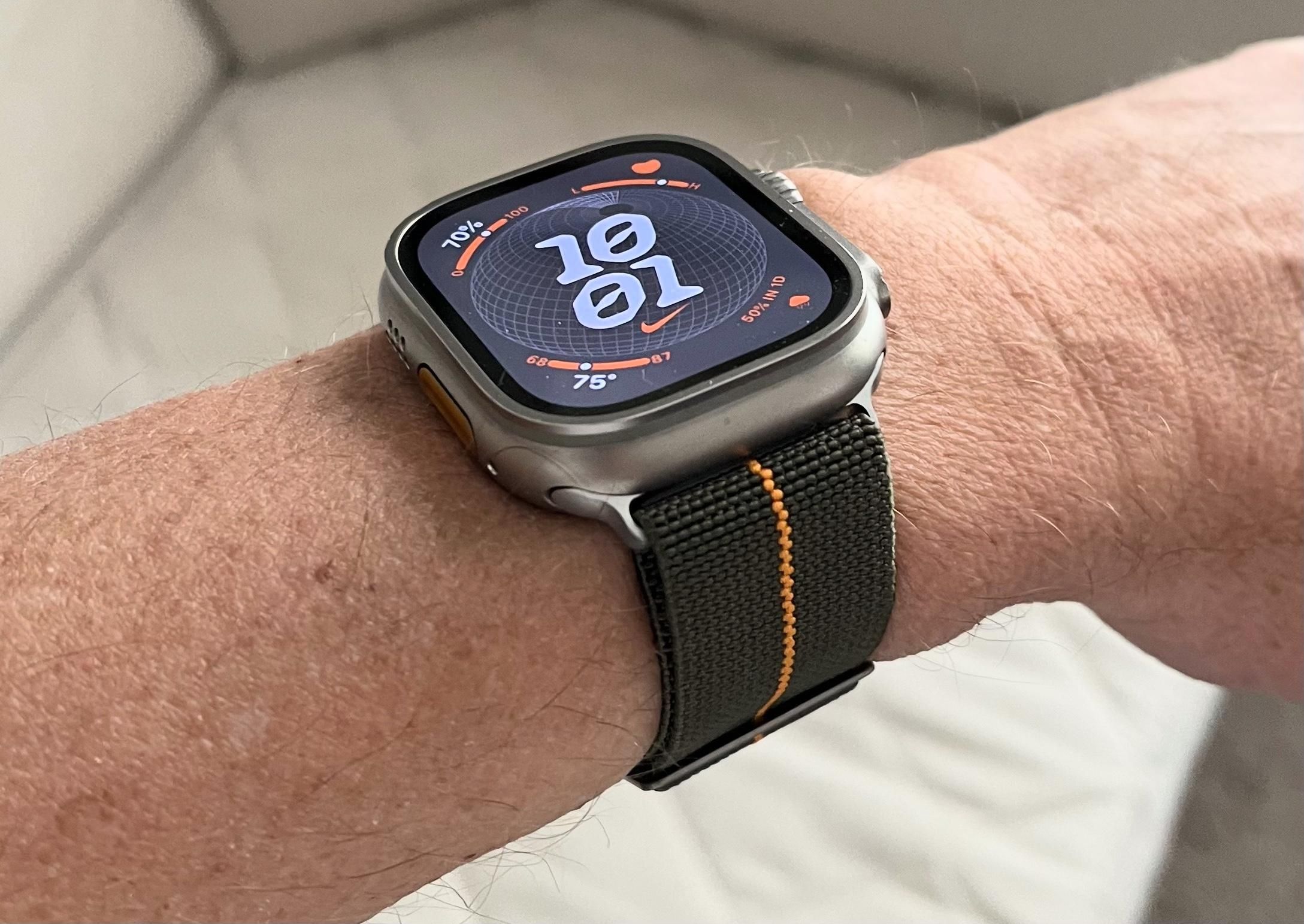
Erika's Original on Apple Watch Ultra


Benrus vs. Longines


An Opinionated Guide to the Ultimate Apple Watch Ultra Band


Building My Own Watch


Blue Divers Smaller Than 38mm


Tool watch trilogy




