






Recent posts

My first bezel fix!


NWA - Helm Komodo


SPB333 photography.


Recent Comments

Oh yeah, their lugs are always the point of contention when it comes to their design.
I like my 36mm Club a lot, but it has the same lug-to-lug as a Khaki Field despite the smaller dial, so it fits me really well as that balances out with the small dial really well, but the 38mm one wouldn't be wearable for me due to its lug-to-lug being too big. 47mm is the biggest lug-to-lug that I find wearable.
I think the reason why they get a bad rep is because their watches don't wear like the diameter. If your wrist can't handle a 40mm dive watch, it might not handle a 36mm Nomos since the lug-to-lug is similar.
Long lugs are NOMOS.
The Khaki Field lug-to-lug is on the long side, but also not particularly out there and most popular watch brands seem to have plenty of watches with a similar lug-to-lug to diameter ratio. I don't really understand why people treat it like it's lug-to-lug is somehow exceptionally big.
And it shouldn't be a problem with your wrist size either. It can (just barely) fit on my 6.25-ish inch wrist, so while the image only shows it very closely, I figure it would fit your wrist perfectly well.
I find the whole discussion to make no sense.
Indices are simply one part of the design, so for me there's no good or bad as much as there's the matter of how it contributes to the design of the watch.
There are watches where applied indices look great and there are those where printed indices look great. There are watches where applied indices are ugly and those where printed indices are ugly. I wouldn't want applied indices on my Nomos or Brew, but I certainly wouldn't want printed ones on my Escapement Time or Certina dress watch either.
I mean in general they are worse in the sense that you can get equally good ones elsewhere for cheaper.
Of course some movements offer something special that is not available in generic movements, in which case it's not really a competition in the first place.
An in-house movement brings in perceived value from non-tangible things. Primarily this value is brought in by marketing (it's made by the brand and the lack of common availability makes it feel more special) and the fact that they are more expensive despite the lack of any physical advantages.
The combination of the higher price and marketing makes in-house movements more "premium". This is not exclusive to in-house movements and we act very similarly when it comes to watch brands and whatnot.
But it was never a question of what was better. In-house movements are obviously worse, but what does it matter? Our watch purchases are not a necessity and they are mostly horrible value for money from a physical standpoint, but the watch collection hobby is driven by our emotions, desires and marketing, not physical qualities.
It's all marketing.
With the exception of very special requirements in unique pieces, in-house movements are worse than generic ones in pretty much every way, except the brands market them as special, so the watch community ends up following suit. We are just paying extra for a brand name.
Nearly all of the people having an issue with homages are hypocrites. If the dial says Invicta or San Martin on it, people will have an issue with it, but the Seiko, Citizen or Casio that is blatantly copying another watch in their collection is not a problem.
Non-hacking movements are horrible regardless of any other factors.
The Tissot PRX bracelet is bad and I have no clue why people keep praising it so much. A bracelet has one job, which is to keep the watch on your wrist. If there's no microadjustment, that makes the chances of it doing that job properly much worse, which is why I am not considering a 35mm PRX yet. Once good third party straps come out for it, it will be in consideration as I quite like the design.
A multi-hundred dollar/euro watch is not cheap. For the price of a Moonswatch, which is terribly overpriced against already overpriced competition, I can buy 100 mud cakes.
People talking about value in watches that cost hundreds and even thousands seems really dumb to me because that is not where the money goes. Value becomes irrelevant past like 30€ where you can get a digital Casio that is functionally superior to any expensive watch and the matter becomes very subjective once you get past the functionality.
None of this matters. I'm still happy to spend a lot of money on watches, even though watches are literally pure marketing.
Trying to judge ratings by some sort of standard method like you have in your post is quite flawed.
The water resistance ratings on watches are based on a company's standards, which are, to a degree, arbitrary. For instance Omega's rating method heavily differs from a lot of watch brands.
If you want something that you can judge by a standard system, you'll need something with an ISO Diver's rating. Otherwise you should stick to whatever the brand of your watch recommends for their ratings.
More posts
I made a video review of my Vostok Amphibia


Got myself a SPB333J1 "Limited Edition"


Took my Helm out to experience Finnish winter


Helm Miyako arrived early! 🌊
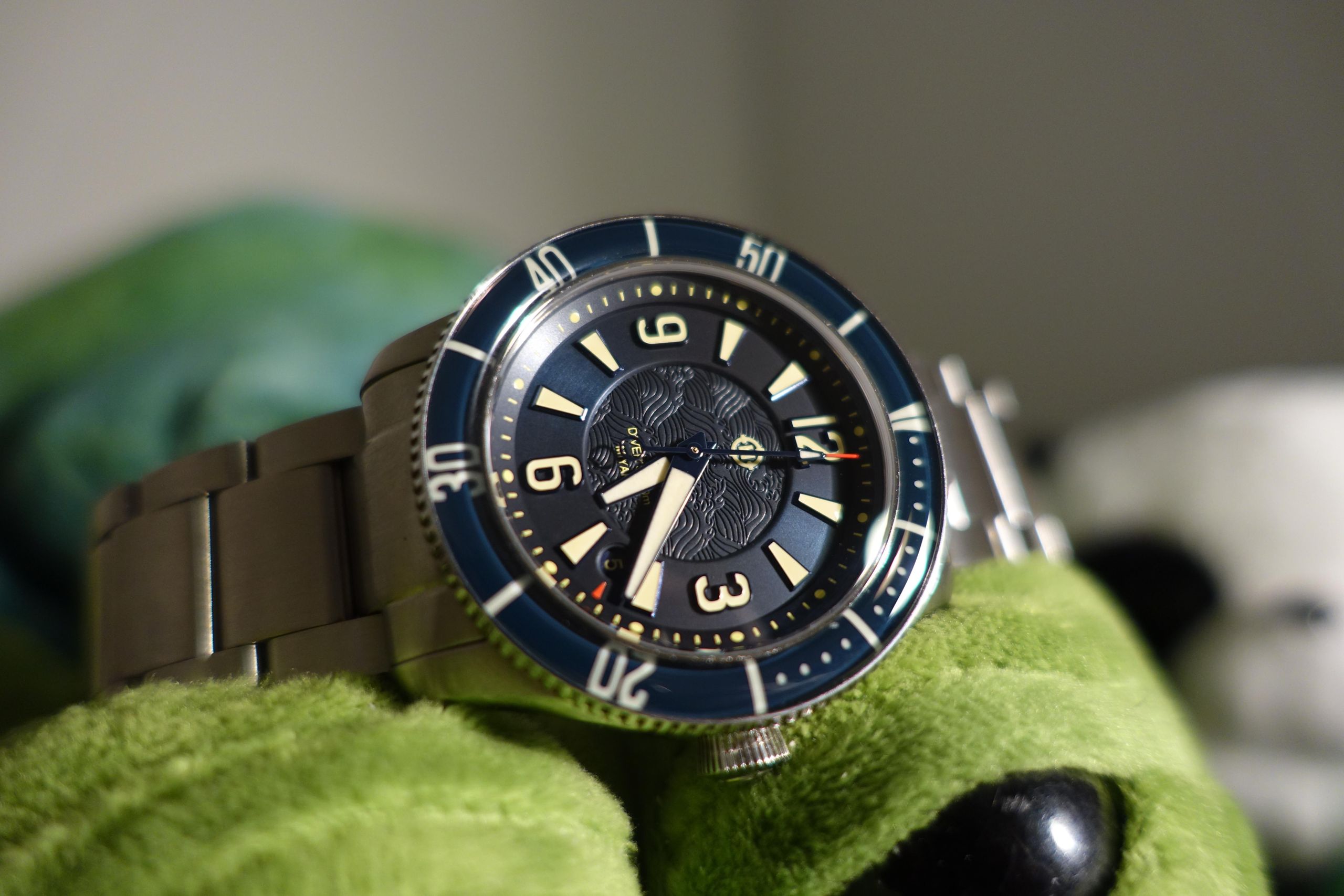


I finally bought one of these


Are original watches actually just homages/copies?




