





Recent posts

NWA: Nacar 36mm!


Black, with a touch of gold


Omega Geneve, back to life


Recent Comments

I think this is the way to go - I'm not going to say "don't touch the dial!!" because at the end of the day, it's your watch and I think everyone deserves to own something that they enjoy. By this point you're well aware that any dial modifications will severely impact the value, and might outright destroy the dial or damage it further. If you aren't planning on ever selling the watch, then it's not as important, but I would suggest that if you really do want a mint-condition vintage watch, authenticity be damned, I'd get a separate, orphaned dial to work on/redial, and keep this original one safe just in case.
As it is, I do think this dial has aged very nicely and consistently, and is way better looking than a lot of the other vintage watches I've seen. Beautiful Omega, I wish I had one like that!
100% very important stat - I can wear up to 38mm diameter watches, provided they have a short enough L2L which few watches do, and fewer still have it listed so I can know beforehand. That really limits me to 36-37mm watches, which is not blessed with diversity. And then you have Nomos, who makes wonderfully classic-sized pieces but with lugs long enough to ski with.
I'll do you one better - get a whole load of these and chain them together into a watch bracelet! Truly a waste of time. If I had one, I think it'd be too big for a ring, but it would make a funny tie or lapel pin...
I have a nice, chunky 3-slot wood box I bought when I was just starting out, and I do think it was a good idea. Helps me to stay organised and also limit myself in the number of watches I own (provided I don't buy another box). I like the heft and smell of the wood, as well as the nice glass window. So to answer your question, definitely not a necessity at all, but keeps me happy, keeps my desk neat, and keeps my spending in check (somewhat).
Here's my 2 cents - yes, I agree Roles is basic. But is that bad? Let's see... in something like mechanical watches, where you might argue its heyday was in the 60's and 70's pre-quartz revolution, there's a lot of appeal in vintage and vintage-styled watches, keeping the flavour and 'spirit' of the classics. That's why a lot of the big name brands use and re-use the same stylistic choices that made them famous many decades ago. The Oyster Perpetual, the Seamaster, the Calatrava, the Reverso, every Cartier... not to mention the Genta integrated bracelet designs. And I can appreciate and respect that, because I prefer vintage styled watches. But therein lies my disdain for modern Rolexes - if I wanted a classic Datejust I'd just buy a vintage one. Sure a modern one comes with better quality and features, but it's just more of the same of something older, and why get this when I could buy the original? But if I wanted to buy a modern watch - something that both draws inspiration without being too much of a copy - a lot of luxury brands do it better, design-wise, in my opinion. I just think Rolex's designs for their basic three-handers, divers, and chronographs have become stale, and bland.
Of course, I'm not including production quality or the movement statistics, and that might change one's opinions when it comes to choosing what watch to buy. But this is just for my perspective on watch design.
A company's history is interesting, but I don't detract from them just because they had a dark past. I think it's pretty silly to judge them for what their predecessors chose to do, and as long as they're not espousing the same stuff, then why does it matter? Obviously the Axis powers during WW2 did some horrendous stuff and a lot of German, Italian, and Japanese companies manufactured goods to supply their respective armed forces... and it's not like they had much choice in that matter. Any German company management who refused to supply the Nazi war machine would just get sent off to a camp and be replaced with puppet political officers anyways. The USA and Allied European nations also have a checklist of horrors and war crimes but no one really bats an eye about those nation's company histories, and no one really should. It's especially prevalent in engineering firms that manufactured tools, vehicles/engines, watches, radios, stationary, electrical or chemical equipment, to name a few.
More posts
Lightbending


My automatic collection, 2023!


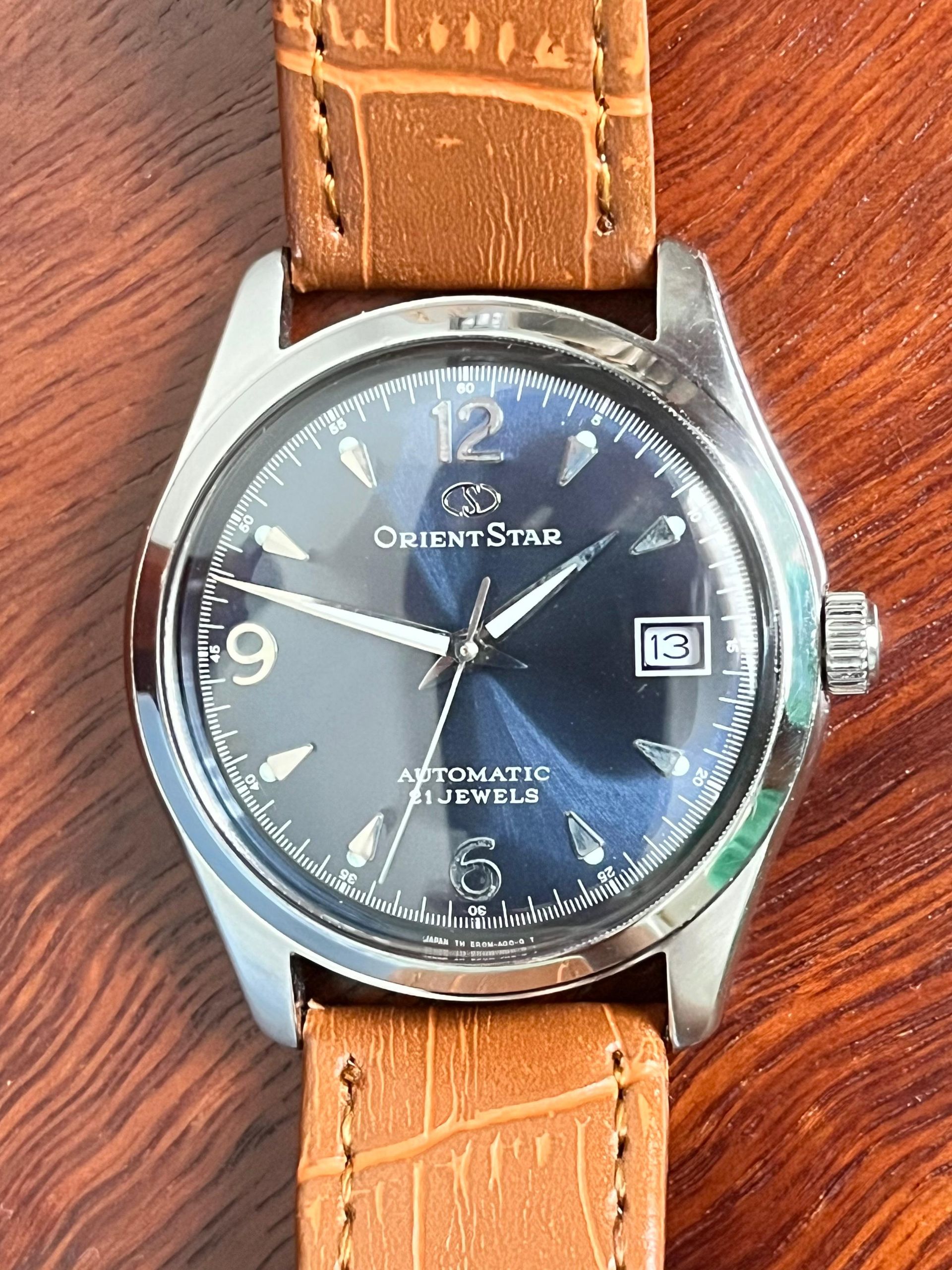
NWA! Orient Star “Explorient”, but this time in blue


Full house!


Exploring with the Explorient


The 5TH. Any good?




