







Recent posts

TAG Heuer Connected Calibre E5


Hidden Gem


Recent Comments

First, I would have liked to know what was wrong with the movement.
If there were no parts returned to you, then the "problem" may well have been that the watch needed a service. If no parts were replaced, Omega probably just disassembled, cleaned, reassembled, and lubricated the movement. At that point the watch was working fine, or so they thought.
Second, there should have been more QC before the watch was returned to me. I honestly don’t think that a proper accuracy test was done before sending it back.
This is bad. A rate error of minutes per day is more than just poor regulation. Sounds more like a reassembly error; something like a pivot misaligned with a jewel. The watch should definitely not have left the service center in that condition.
Third, why would it take 6 plus weeks to do some simple regulating especially after it took 6 plus weeks to fix the watch in the first place. That’s just poor customer service.
It didn't take 6 weeks to do some simple regulating. That won't fix minutes per day of rate error. They had to do a complete service again. (Plus, most of that time was waiting for a watchmaker to be available.)
To be honest, 6 weeks is lightning fast for a watch service. My local watchmaker takes 3-4 months for a basic three-hander service, and that's not atypical.
Finally, -9 seconds is below what I expected. I know this is not a chronometer and the stated tolerance is +10/-1
Your watch is literally running as good as new.
but after all I went through
I hope you fully recover from the trauma.
If the OP is okay with a homage, then that’s fine for him. But if he’s really okay, then why look for validation here; just enjoy the cheap watch. So maybe, deep down inside, the OP isn’t actually okay with it.
Omega UK2292 procured by the British Ministry of Defense in 1943 for pilots/navigators of the Royal Navy Fleet Air Arm.

https://en.wikipedia.org/wiki/Bookbinding#Spine_orientation_and_titling_conventions
In texts published or printed in the United States, the United Kingdom, the Commonwealth, Scandinavia and the Netherlands, the spine text, when the book is standing upright, runs from the top to the bottom. This means that when the book is lying flat with the front cover upwards, the title is oriented left-to-right on the spine. This practice is reflected in the industry standards ANSI/NISO Z39.41[44] and ISO 6357,[45] but "lack of agreement in the matter persisted among English-speaking countries as late as the middle of the twentieth century, when books bound in Britain still tended to have their titles read up the spine".
In most of continental Europe, Latin America, and French Canada the spine text, when the book is standing upright, runs from the bottom up, so the title can be read by tilting the head to the left. This allows the reader to read spines of books shelved in alphabetical order in accordance to the usual way: left-to-right and top-to-bottom.
Well, the 6R movements aren't competitive with Powermatic 80s, so I'd say standard Seiko movements have a long way to go. (Grand Seiko movements are, of course, completely different.)
If ChatGPT isn’t writing “Alex”’s content, he’s no accountant. Only a marketing intern could dredge up such cliché-ridden slop

More posts
Erika's Original on Apple Watch Ultra


Benrus vs. Longines


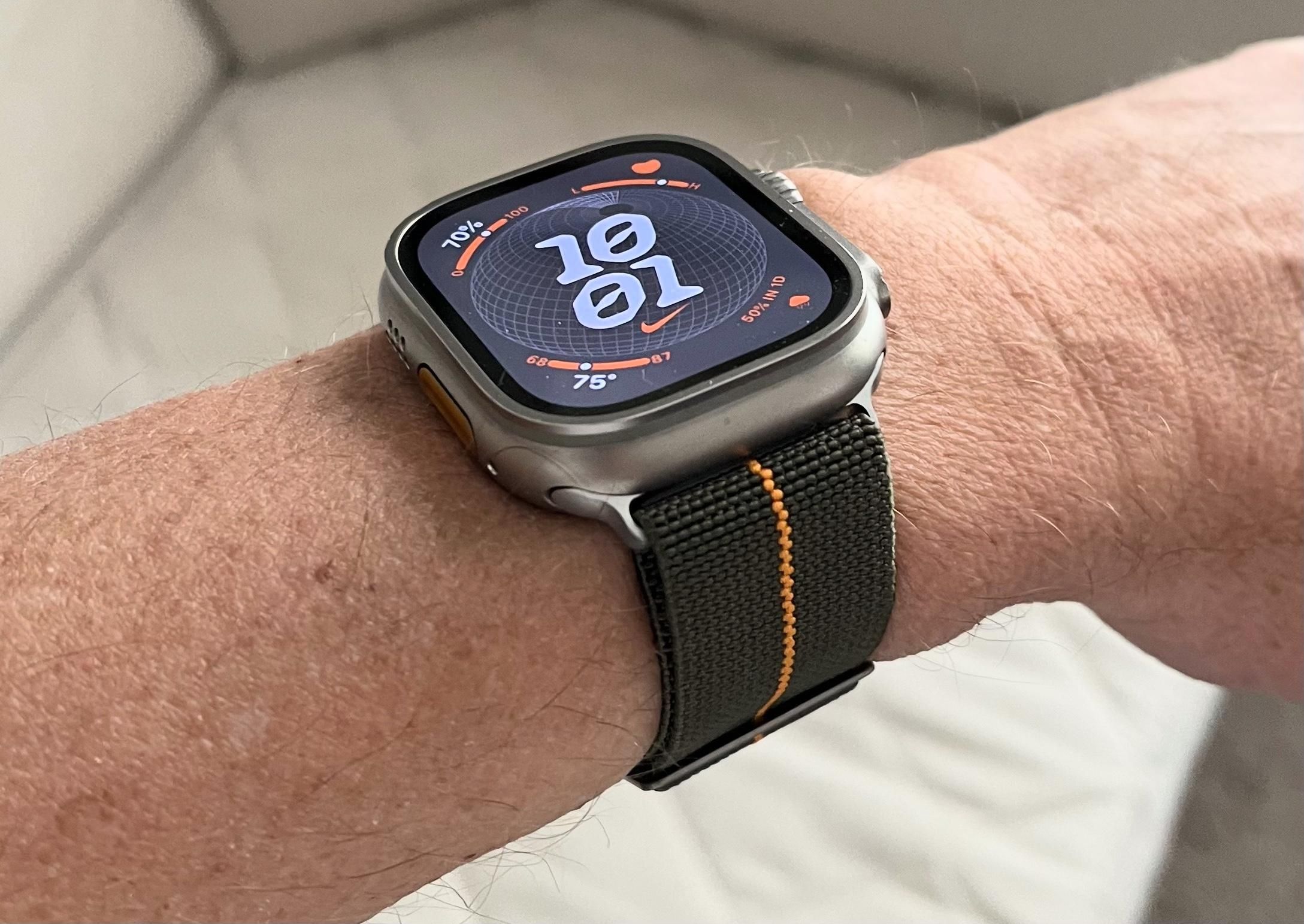
An Opinionated Guide to the Ultimate Apple Watch Ultra Band


Building My Own Watch


Blue Divers Smaller Than 38mm


Tool watch trilogy




