























Recent posts

A Quintessential Field Watch - Militado D12 "Dirty Dozen" Review

Militado D12


Casio's Best Kept Secret 🤫 - W93H Review

Casio W93H-1AV


How it Started vs How it's Going - SOTC


Recent Comments
Great points, all! I found your thoughts on fine art and painters interesting as well.
I would add that 99.9% of watches are not "art" - they're design. And I'm speaking as an ex-designer and musician here. There is a difference.
Art is expressive - it's an external representation of someone's inner experience, and singular by definition in that sense. Design, on the other hand, is communicative and has a set of responsibilities that art doesn't have. Design isn't just for looking at and considering, it's either a transmission medium for information, or the language of things that are meant to be used. Art can monologue; design has to have a dialogue. Where art can make a statement that may start a conversation among its viewers, design is a conversation with its end users.
So designing is different than creating art in that your stuff is gonna get touched and handled and pick up literal and metaphorical fingerprints, both from the end users and industry peers. Like clay, everytime it's touched, it will be changed. And any designer honest with themselves knows they are also taking inspiration and standing on the shoulders of those who came before and using assets they didn't make, etc. When people interact with what you make, you really need to learn to not be precious about it, and accept that it's a give and take in a lot of different directions. And if you're doing your job, your work is something you want people to interact with, personalize, and take inspiration from. There are even forms of art that really cross this line into the conversational world of design.
I always think of music, and especially hip hop, as an art form that understands this well. And it's no coincidence in my mind that it's one of the richest arenas of human expression. The accessibility of music and the way people interact with it much more than other forms of art almost makes it a form of emotional and social design. It's very conversational. We can all think of songs that have been covered, sampled, and remixed so often that they've taken on a life apart from the original artist. But interestingly, that doesn't mean they take away from the original artist, and in fact such songs have cemented musical legends. I can also think of examples of this in the world of graphic design, and really, any form of design, where the true greats are the most imitated. And you can see this extend to fine art as well. How many reproductions or reimaginings have you seen of works by Hokusai or Van Gogh or DaVinci? If no one wants to reimagine or imitate your stuff, it's probably not that good.
The Rolex Datejust is the watch equivalent of a classic banger of a song that people can't get enough of to the point that they will happily sample and cover it for decades. That's a good thing for Rolex, and if they could see it as such, they could capitalize on it. From that point of view, I think your comments about the MoonSwatch were bang on, and very insightful.
My point is that the luxury watch industry and certain watch snobs are not only taking this notion of watch design as some kind sacred cow of high art way too seriously, they're also completely missing the point. And I'm willing to bet that even the stachiest, most vocal members of the Rolex Defense Team couldn't tell you the names of any of the designers whose work they are ostensibly trying to protect without checking Wikipedia.
Maybe I'm not enough of a watch snob, but I just don't get the kerfuffle.
There's really only so much "original" you can do with a watch. There are so few possible elements. It's like music; there are only 12 notes in a scale, 8 notes in a key, and everything else is just transposing up and down. And yet we never get tired of it. So much of the texture and variety of music grew out of building on inspiration, riffing, remixing, reimagining, and yes, even covering. Can you imagine how boring it would be if the first time a few notes were arranged in a certain way or a certain rhythm was used, it was locked away forever and no else could ever use it, even as inspiration?
Cars, guitars, clothing, fragrance... No other luxury industry has their shorts so tightly knotted over this stuff. It's expected that good designs will be imitated and being a leader in any space means you have to innovate, not stagnate.
From an IP standpoint, any elements that are even remotely eligible for trademark, copyright, or patent have already been protected as such. There's a reason you can trademark logos, and patent unique mechanisms, but you can't copyright general design elements like shapes, textures, and color groups.
If we're being honest many of these designs were introduced before everything had already been done and really aren't groundbreaking taken out of context. Most "iconic" designs are only so because the associated price tag and marketing made them status symbols.
And that's what I really hear as the unspoken argument against homages; "This design is supposed to signify my wealth and if you can get a similar design for less, it defeats the purpose for me."
Unless something is being sold as a counterfeit or infringing on IP, is it really such a big deal?
More posts
Are You Suffering From Seasonal Watch Affective Disorder?


Smallest G Shock in the world (but still mighty)!

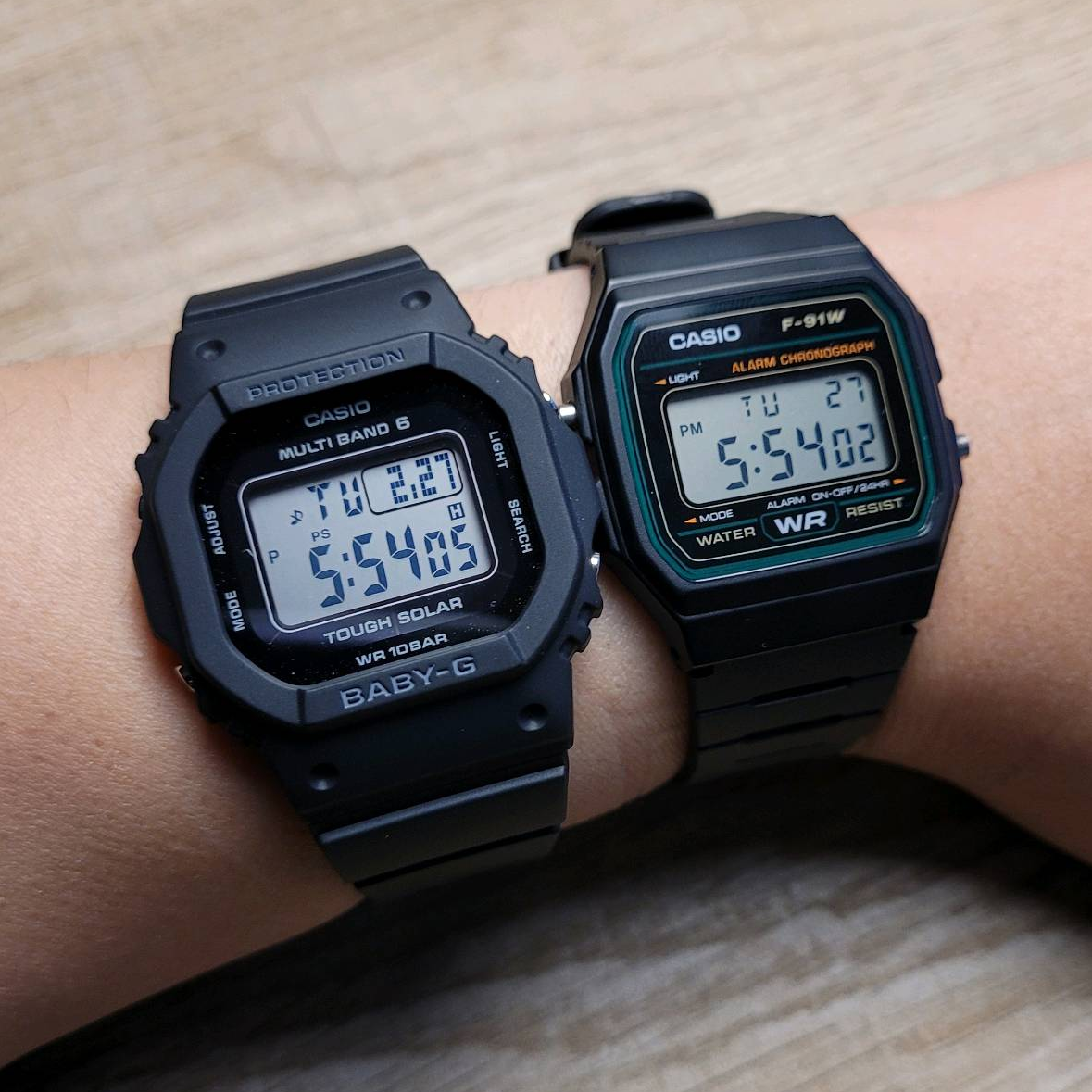

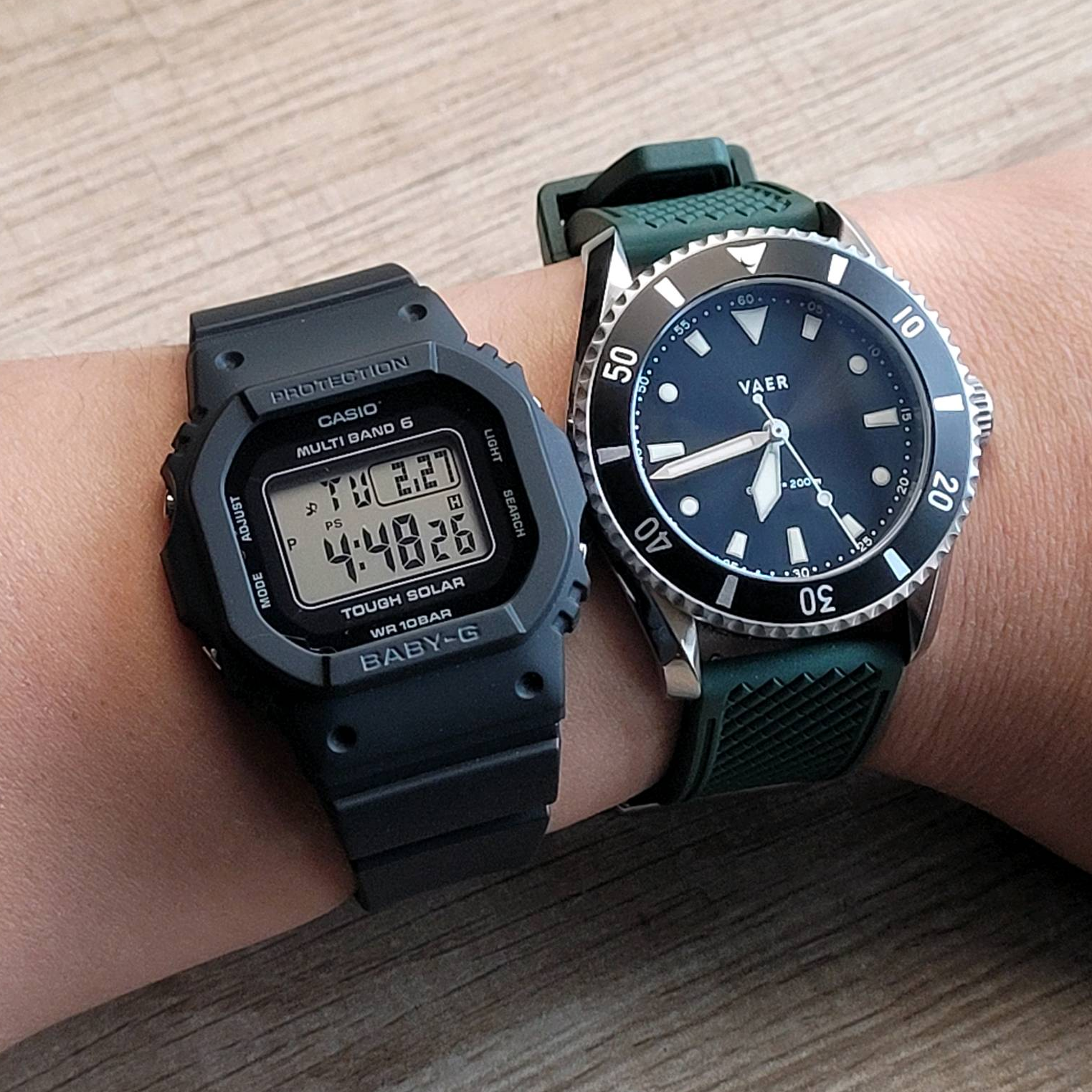


Deployant Clasp for Small Wrists?


The Incredible Shrinking Wrist


First ride of the year! 🏍️


Ring watches everywhere...




