















Recent posts

Watch safety in your city


Singapore Watch Club’s new hat - what a great idea!


NWA Rolex GMT Master II 126710BLRO Pepsi on Jubilee


Recent Comments
i routinely travel with a bunch of watches (up to 6 max) and i can tell you that i can fit about 6-8 watches in my backpack in their watch rolls. if i really cram them in like sardines with smaller watch rolls, i can probably fit maybe 12 max. in a rollie carry on, i can probably double that to 24-28 max. 45-50 would likely take up your entire carry on luggage allowance.
lolol what counts as proof that you’re “simply a watch collector”? can he just show his Watch Crunch profile as proof? 😂😂
i don’t think Rolex is trying to solve the scarcity issue. as you said they’re not increasing production capacity. and these new model variants will only spread the availability of the movements thinner.
but it’s obvious that’s exactly what Rolex is trying to do. their strategy isn’t to give the market MORE availability of the classic steel model that everyone wants. they want fewer and fewer in the market to keep the value and desirability of those classic variants UP! they’re honouring their commitment to existing owners and buyers by keeping the rarity of the classic models while giving buyers “second choice” options.
this is exactly what AP does with their Royal Oak. introduction a shit ton of variants and keep the true classic rare and highly valued.
it’s a sign that there’s not going to be any innovation to the line. they’re gonna keep milking it for everything it’s worth and stoking consumer demand that way.
yes it is a thing, in so much that it exists and have been used by major watch makers. the Cartier Tank Solarbeat that i have came with a vegan leather strap, which i’m told was made from apples. so yes it does exist and is used by mainstream watchmakers.
is it any good? i’m sure it’s fine but i don’t prefer it. it’s very supple and soft but doesn’t feel like it has the longevity of an animal leather strap. it feels like it’ll wear away faster.
i have nothing against it, or the concept of vegan leather. except that having handled it in person, i’m not convinced that it’s a tough wearing material. that’s why i swapped out the strap on day 1 and put on an animal leather strap instead. altho i have to admit i over spent at Delugs and even their animal leather strap is fraying now.
looking back, i’d rather have spent $20 on some cheapo strap off amazon than spending with Delugs.
maybe it’s just me but i picture the Reverso as a dress watch. yes, i know it’s history of actually being a sports watch worn by polo players, but the modern day use of it is so…dressy. even dressed down with the textile straps that JLC makes nowadays, it still strikes me as dressier.
but with the Tank, simply putting a different strap on it totally changes the look and feel of it. just today i threw on a set of grey suede straps on the Tank and i wore it with shorts and dad shoes and it totally works. and it works equally well in a suit once i put on the stock black strap. it’s just super versatile. and because it’s so thin and light, i actually feel comfortable wearing it to do some light chores. today’s errand was going furniture shopping with the missus and i was lugging things around without worry that i was going to scuff up the watch. i dare say, the Cartier Tank can be a do-it-all watch. almost - i wouldn’t take it into the water.

so…in short, I agree. a $4k Tudor is not “entry level” to the watch world. there are more affordable watches than that which could be considered “entry level” or a “beginner’s watch” as an introduction to the hobby.
but (and now i’m just being Devil’s Advocate here)…it begs the question: is there a price point at which you notice a step wise increase in quality, at at which point are you crossing a boundary into “high end watches” beyond the entry level? i have to imagine that manufacturing quality is correlated to price to some degree, otherwise, we would have watches manufactured to such high tolerances even at the $50 level. so, my question is: what are the price points at which you notice a step increase in quality?
note that the question is focused on production quality and not on value, as value can be subjective. i.e., some people value the brand heritage and caché of the brand name more than others. instead, the question i’m asking is to focus on the tangible and undeniable increase in level of manufacturing quality. what are the price points at which you see that happening?
edit: and a follow on question is at what price point do you see a diminishing return on the production quality of the watch for the money you’re spending? i.e., is there a price point at which spending more money doesn’t get you better quality?
for me, it’s three watches that i would never get, but love a lot:
1. JLC Reverso. i adore this watch. the story of its heritage and the absolutely beautiful design and movement inside. BUT, it’s a watch that doesn’t fit my personal lifestyle. i don’t need a dress watch like this. and if i did, there are “better” alternatives. i already have a Tank which is in the same category as the Reverso and the Tank is more versatile of a watch than the Reverso.
2. Explorer II, Polar: it’s a beautiful watch, but at 42mm it’s too big for me, and while it’s iconic and i love it for that, i actually find the white on white a bit less legible than a high contrast white hands on black dial design. i love it but would never get it.
3. Nomos: LOVE love love their watches. on paper. they’re great designs. i love the minimal bauhaus aesthetic. but their lug lengths are too long for my 6.5” wrist and they sit weird when i’ve tried them on. lots of respect for Nomos and i wish i could get one, but i know it wouldn’t work for me.
More posts
A special visit to Naoya Hida & Co.


NWA x2: MB&F MAD Editions 2 and Kurono 2026 Malachite


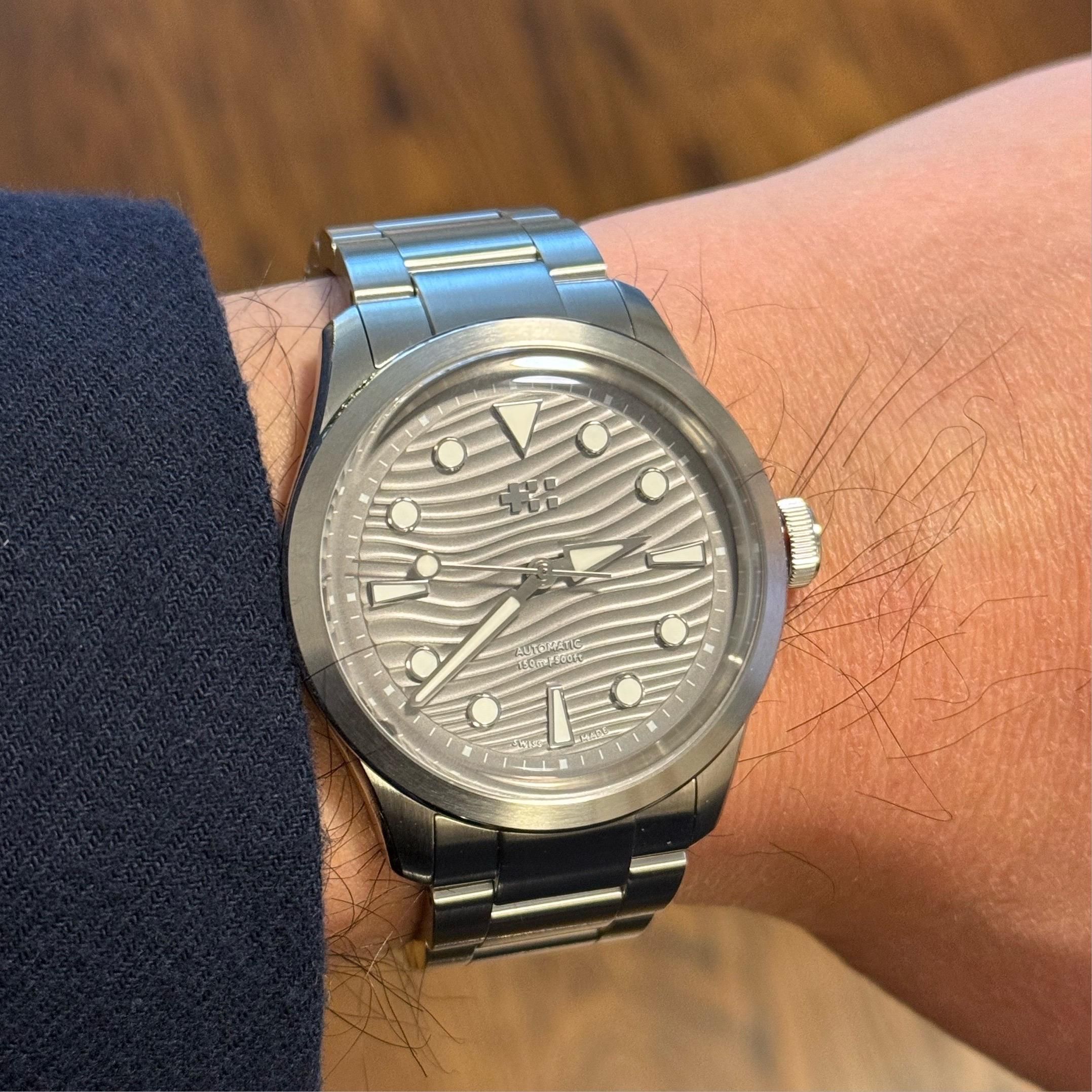


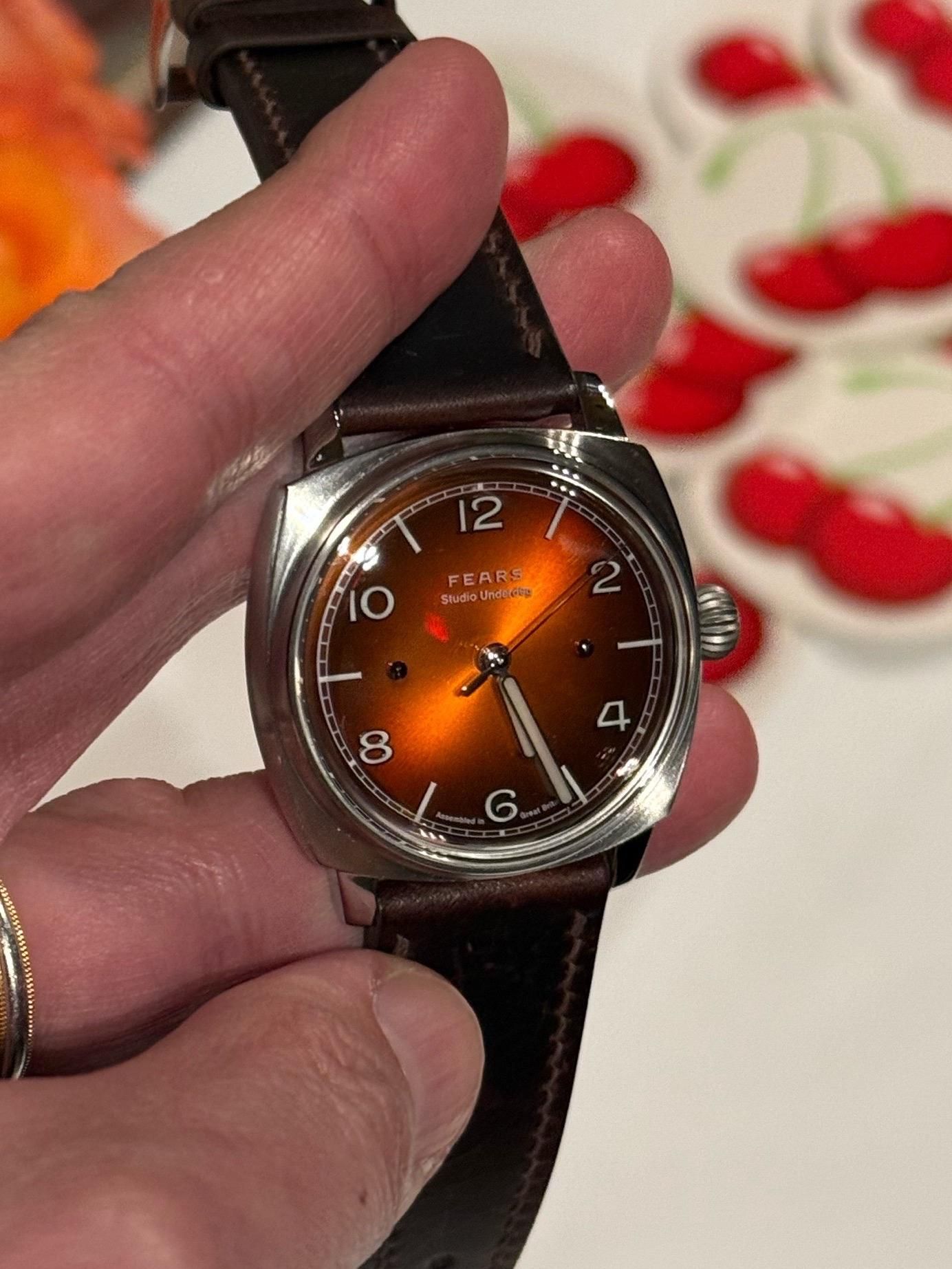
NWA: Fears and Studio Underd0g collab Manhattan watch


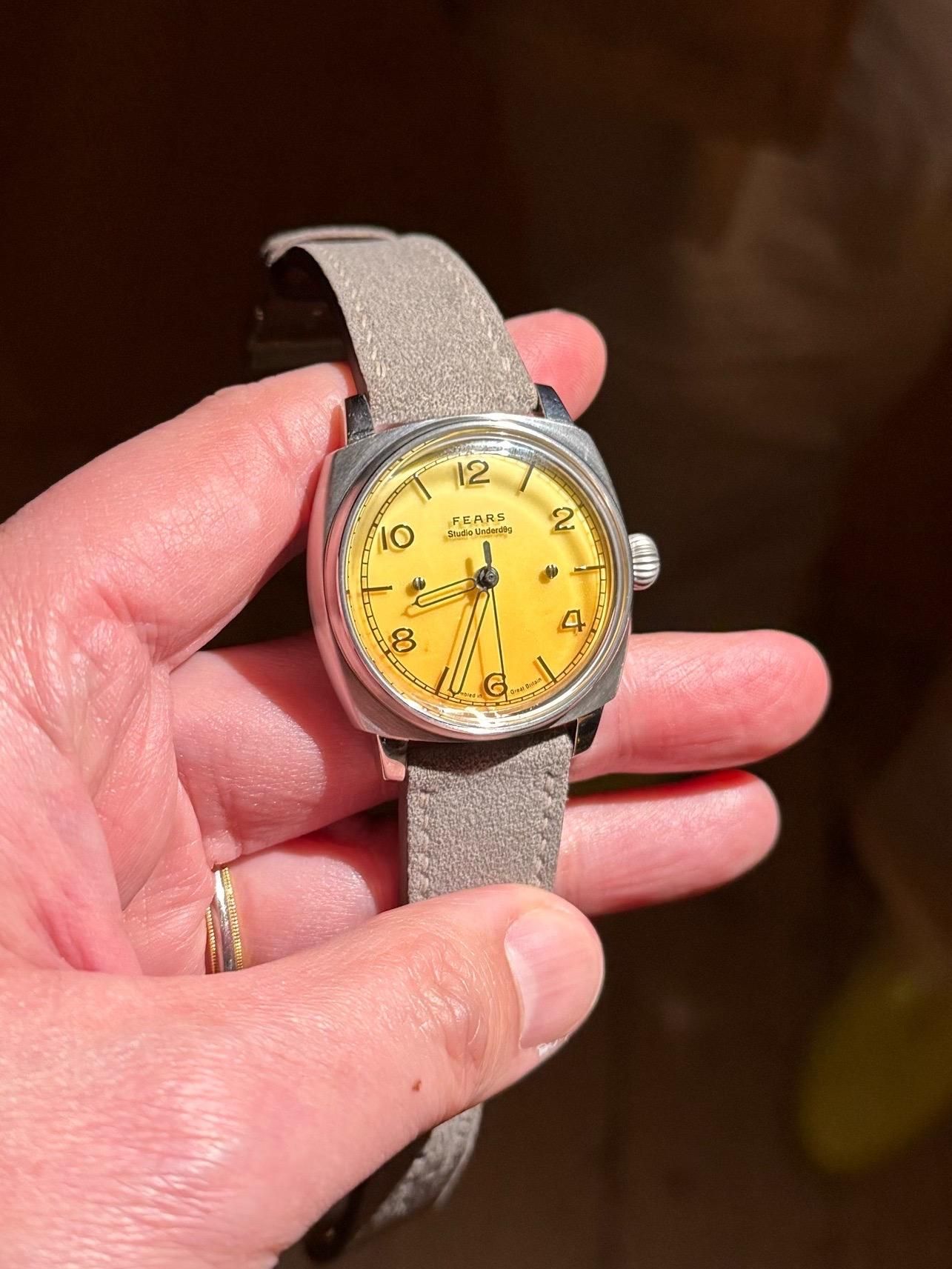
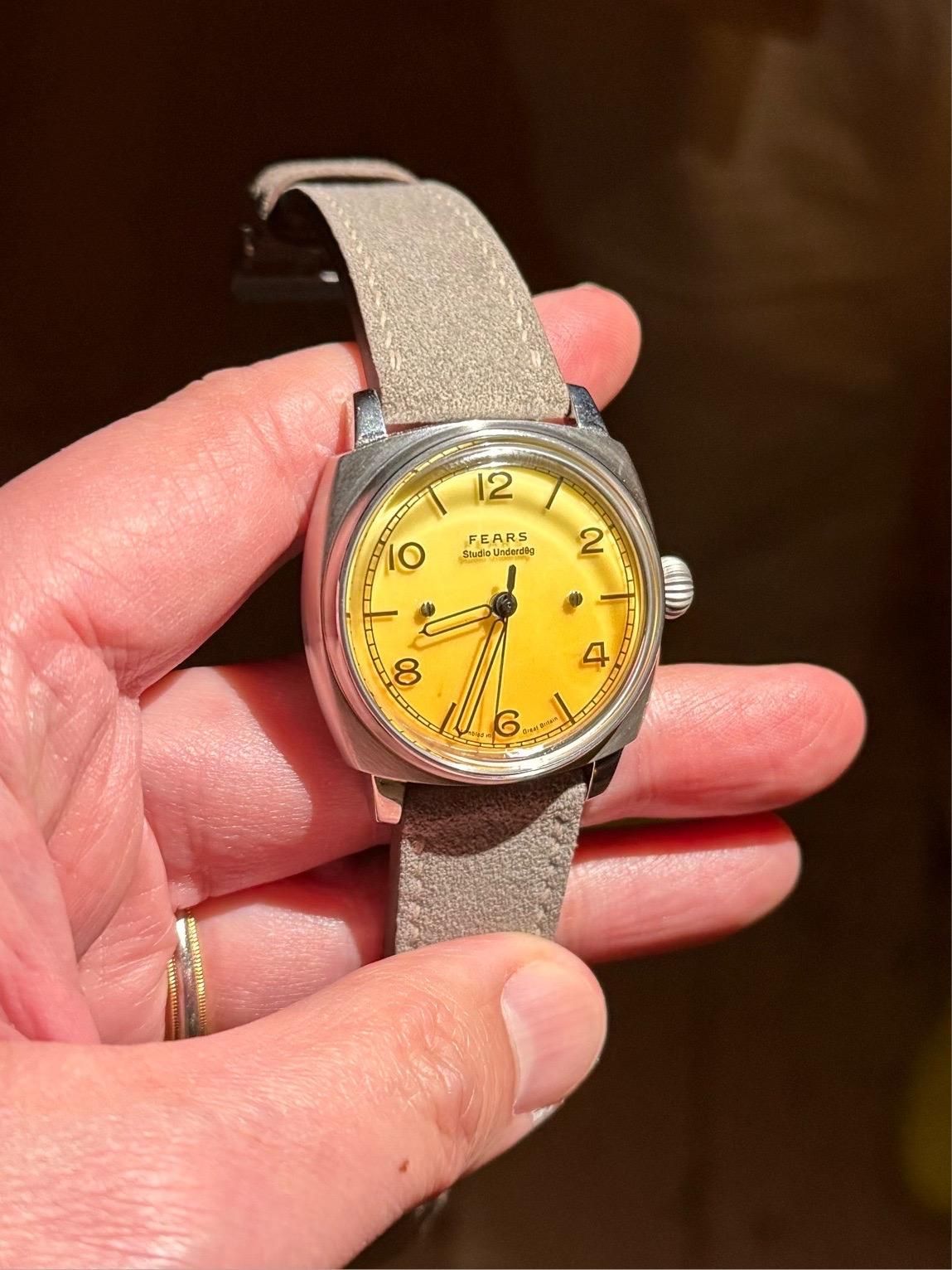
The unreleased Studio Underd0g and Fears mim0sa




Land-Dweller in the metal




